

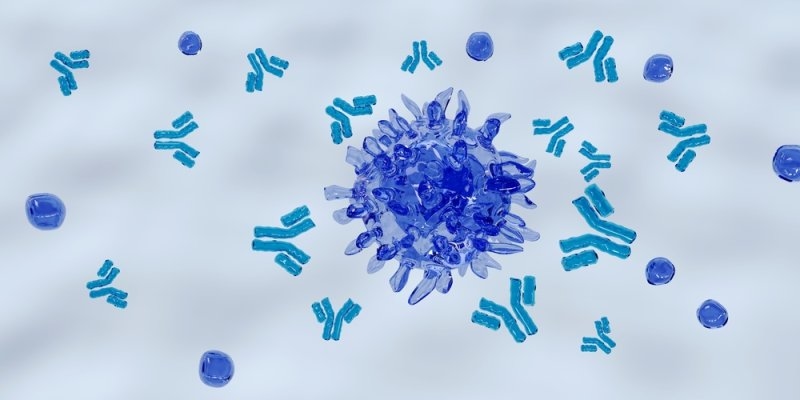
The human immune system consists of an overlapping protection network that helps to safeguard the body from malformed cells, parasites, fungi, viruses, and bacteria. It is not one organ; it is not one reaction. First, there are barriers, then a responding immune system, and then an apparatus to defend against the continued threat. Other reactions occur in minutes, some in days.
Just like before, the immune system adapts to previous exposures; that's why immune memory is important. However, protection isn't always effective. This blog examines the human immune system's responses to threats, coordinating immune defenses, fighting infection, and memory of some threats.
The human immune system constantly checks tissues for signs of danger, then sends different defenses depending on the type and location of the threat.
Your immune system doesn’t just spring into action when you get sick—it’s always on guard. Even before specialized immune cells show up, your body puts up some solid defenses. Think of skin as your first wall. Mucus catches particles you breathe in, stomach acid wrecks a lot of the microbes you swallow, and the regular bacteria living on your skin and in your gut outcompete the harmful ones.
People don’t usually notice these defenses because they’re quietly doing their job. But if something slips through—a cut, for instance—the next layer of the immune system gets involved.
At this stage, the immune system recognizes patterns that signal infection or cell damage. Immune cells have receptors—they “see” certain molecules tied to bacteria, viruses, or a wound.
That recognition sets off a response. A minor scrape could trigger inflammation right where the injury is. With a virus, other cells jump in to stop it from spreading.
Also Read: The Role of DNA in Evolution: How Genes Help to Shape Life
The whole thing runs on two main tracks: innate and adaptive immunity. Don’t think of them as totally separate—they overlap and constantly talk to each other.
Innate immunity reacts right away and targets broader patterns. Adaptive immunity takes a bit longer to kick in, but it’s sharp and laser-focused, going after specific enemies.
Innate immunity is fast and general. Adaptive immunity takes its time at first, but once it gears up, it remembers what it’s seen, so next time, it’s ready.
Here’s a quick comparison:
| Feature | Innate immunity | Adaptive immunity |
|---|---|---|
| Response | Fast | Usually slower initially |
| Targeting | Broad patterns | Specific targets |
| Memory | Limited | Strong immune memory |
| Main players | Barriers, phagocytes, natural killer cells | B cells and T cells |
Both arms work together during an infection. Early innate signals help wake up the adaptive side, which then takes over and sharpens the attack.
Your immune system isn’t just about brute force. When it detects a threat, it adapts. Blood flow might increase in the area, which brings in more immune cells. Sometimes you get a fever as your body’s attempt to fight off the invader.
But more isn’t always better. An immune response that’s too strong can hurt your own tissue. So, the immune system needs to know when to call off the attack.
It does more than just kill germs. It communicates, spots damaged cells, directs inflammation, repairs tissue, and prevents unnecessary attacks on healthy cells.
Different cells have different jobs. Neutrophils go after microbes fast. Macrophages eat up debris and help organize the defense. Natural killer (NK) cells find and destroy infected or abnormal cells.
B cells make antibodies, and T cells can either wipe out infected cells or coordinate the whole response. There isn’t one superstar cell—each plays a part.
The way your immune system responds depends on what’s causing trouble. Bacterial infections? Cells might gobble up the invaders, while antibodies tag them for removal.
Viruses? The defense switches—infected cells get targeted, and antiviral signals slow the spread. That’s one reason you fight viruses differently than bacteria.
Don't Miss: 5 Human Body Science Facts That Sound Like Science Fiction
Immune system organs are scattered all over your body. Bone marrow makes most of your blood cells.
T cells mature in the thymus. Lymph nodes filter fluid and are sort of meetup spots for immune cells. The spleen filters blood and helps with threats carried that way. Tonsils and other lymphatic tissues are part of this network, too.
The immune system works like a team rather than a single shield. It’s made up of physical barriers, cells, tissues, antibodies, signaling molecules, and specialized organs—all connected and working together.
Imagine you get a splinter. Microbes sneak in through that broken skin, so your physical barriers are down. Right away, the innate immune response kicks in, with the lymphatic system pulling in backup.
The way the immune system fights isn’t one-size-fits-all. It adapts based on what it’s dealing with.
Take bacteria. Sometimes they lurk outside your cells, and your body fights back with inflammation, phagocytes that eat invaders, complement proteins, and antibodies. Easy enough—these bacteria are out in the open.
But other bacteria hide inside your cells. Here’s where your immune system has to switch tactics. It has to figure out where the bacteria are before deciding the best way to knock them out.
Viruses are trickier. They take over your own cells to multiply. So, your body sends out antiviral signals to warn nearby cells, plus natural killer cells and T cells rush in to destroy the infected cells. Antibodies can help too, blocking viruses from getting in.
Basically, the immune system doesn’t just target the virus—it fights the infected cells that help it spread.
And it does more than end the current battle. Sometimes, it stores notes on the enemy, so next time, it can respond faster. That’s where immune memory comes in.
After an infection (or vaccination), memory B and T cells stick around. If you run into the same problem later, your body reacts quicker and stronger. It doesn’t always prevent you from getting sick, but it helps you fight it off better.
So, who’s doing all this work? There are lots of different cell types: lymphocytes (like B cells and T cells), natural killer cells, neutrophils, monocytes, macrophages, dendritic cells, and others.
Some cells attack threats directly, others make antibodies, some pass information to other cells, and a bunch help manage inflammation and help you recover.
Suggested Reading: How Human Brains Process Information: A Neuroscience Guide
But the immune system needs to be precise, not just powerful. Trouble happens if it’s too weak, too strong, or aimed at the wrong thing.
Weak responses let infections get out of hand. If the response goes into overdrive, it can cause too much inflammation or damage your own tissues.
Sometimes, the immune system messes up and attacks your own body (that’s autoimmunity). Other times, it overreacts to harmless things like pollen or peanuts—those are allergies.
The human immune system protects the body through several linked stages: detection, signaling, cellular action, pathogen removal, inflammation control, and sometimes long-term memory.
In simple terms, the body notices something wrong, identifies the type of threat, sends the right immune system cells toward it, attacks or contains the threat, and then reduces the response when the danger has passed. That is the core of how the human immune system works.
The immune system is really a teamwork powerhouse. Barriers block, immune cells scan for problems, organs guide the players, and antibodies help target the attack. Innate and adaptive defenses both show up—one brings speed, the other brings precision and memory.
Whether it’s viruses, bacteria, or other threats, your immune system can usually handle it. But it needs balance—an overactive response can even harm healthy tissue. When you get how this works, infections seem less mysterious. The process boils down to notice the threat, respond, keep it in check, remove it, recover, and store the memory.
Chronic stress doesn’t just “turn off” your immune system, but it definitely throws things out of balance. Sleep, diet, other illnesses, and your general health also make a difference.
Yes, to a point. Regular, moderate exercise keeps your immune system in shape. But if you push way too hard without enough rest, it can temporarily make you more vulnerable.
A bunch of things play a role—how much you’re exposed to, your genetics, age, how well you sleep, other health issues, medication, diet, and vaccines you’ve had.
It can. Some immune cells track down and destroy abnormal or cancerous cells. But sometimes, tumors figure out ways to hide or even protect themselves from these attacks.
No, cold weather itself doesn’t cause viruses. Colds happen when viruses infect you. Still, when it’s cold, people crowd indoors more—which makes it easier for germs to spread.
This content was created by AI